
on taking the long way home
a story of slow healing

content warning: hey loves. this piece explores sexual trauma, family relationships, and healing journeys. please take extra special care of yourself as you read - get cozy, have water and tissues nearby, maybe a favorite blanket or comfort item. you can pause or stop reading at any time. there’s no rush. your healing, your pace.
~
on taking the long way home
(you might want to read my first three posts before diving into this one - they’ll help set the foundation for what i’m about to share. and remember, you can always come back to this later.)
a single writing prompt in dr. zelda lockhart’s memoir course would crack open decades of silence. but first, i had to build a container strong enough to hold what would emerge. i sought out her nine-month multigenerational black women’s writing course at her garden studios in durham, intentionally choosing this black feminist healing pathway. i trusted that writing my story in community with other black femmes, guided by a black healing arts practitioner, would create the sacred space my healing demanded.
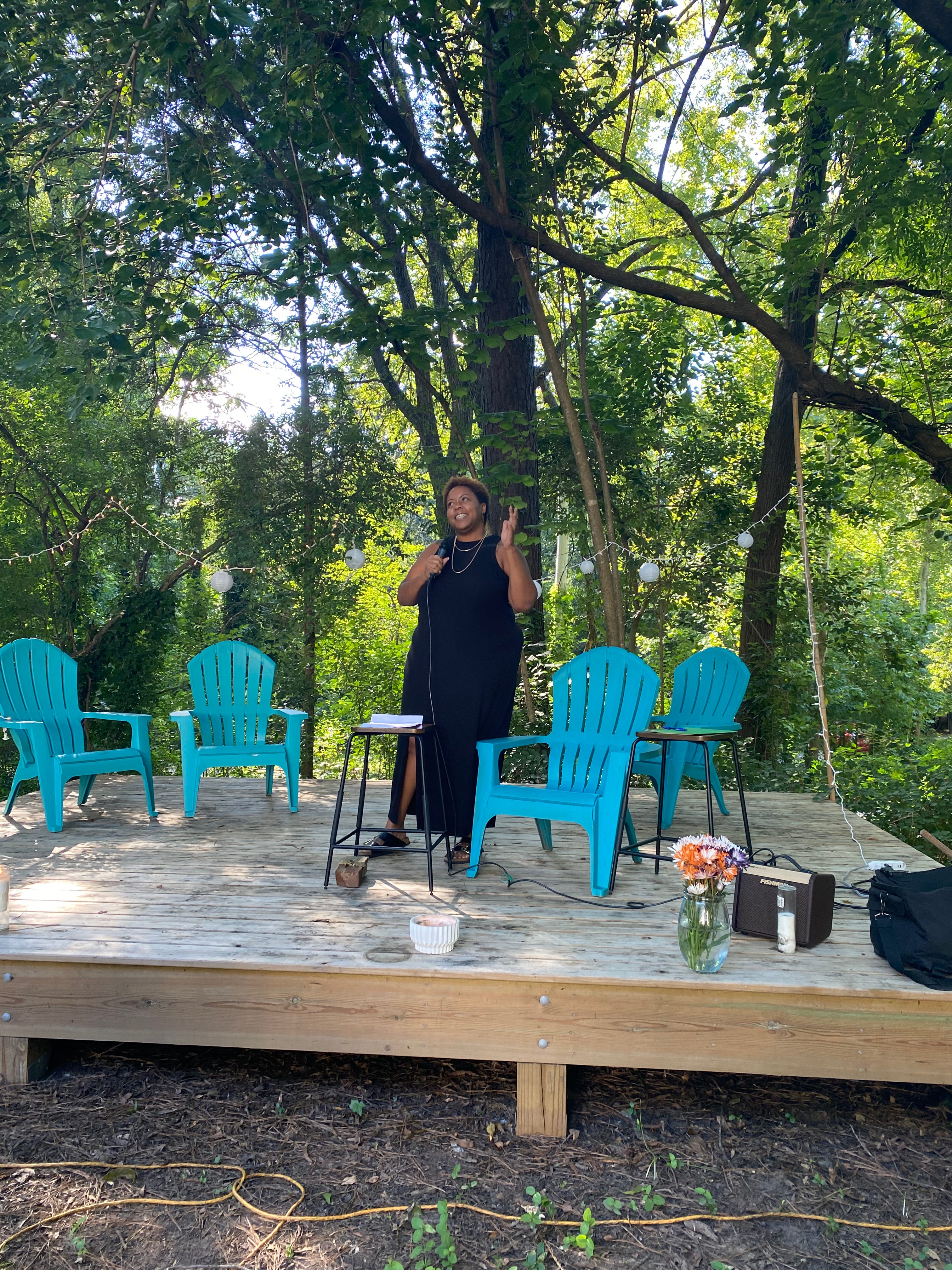
as i’ve been sharing in this space, healing requires foundations. it asks us to find courage to face our fears. today, i want to show you why sometimes we need to take the longer path - how intentionally creating space for deeper work through storytelling and witness allowed me to lovingly face what happened to a 12-year-old black kid one early summer saturday.
(take a deep breath here. get comfortable. we're about to go on a journey together.)
let me take you there:
sheekah and i became fast friends at flinn middle school. we were each other’s best friends and inseparable. she had brown skin, was so bubbly, and her hair was always on point. current. cute. she lived on the southside near my church, about three blocks away. we loved to stroll slowly down the streets. all around the neighborhood. i didn't know why but making that decision at the end of each block on which way to turn was fun for me. i guess i felt free.
on this particular saturday, sheekah’s sister agreed to do my hair too. she gave me the cleanest part down the middle, and tightly gathered my hair, jam gelling it down into two slick ponytails. two red ball hair ties were twisted together at the top on either side, but the bottom of the braided ponytail was closed off with a small black rubber band you couldn’t see unless up close. this childish style was made to look older on my 12-year-old, budding body because the braids hung long, framing my quickly-developing “boobies” and ending at my waist. i felt so cute by the time we made it to misha’s house where she and her cousin ranae were waiting for us.
that day started with such possibility. i felt beautiful, free, connected. my hair was done just right, hanging long past my shoulders, and i was surrounded by an undeniable energy of black girl joy. i didn’t know then how quickly safety could dissolve, how one afternoon could reshape a lifetime.
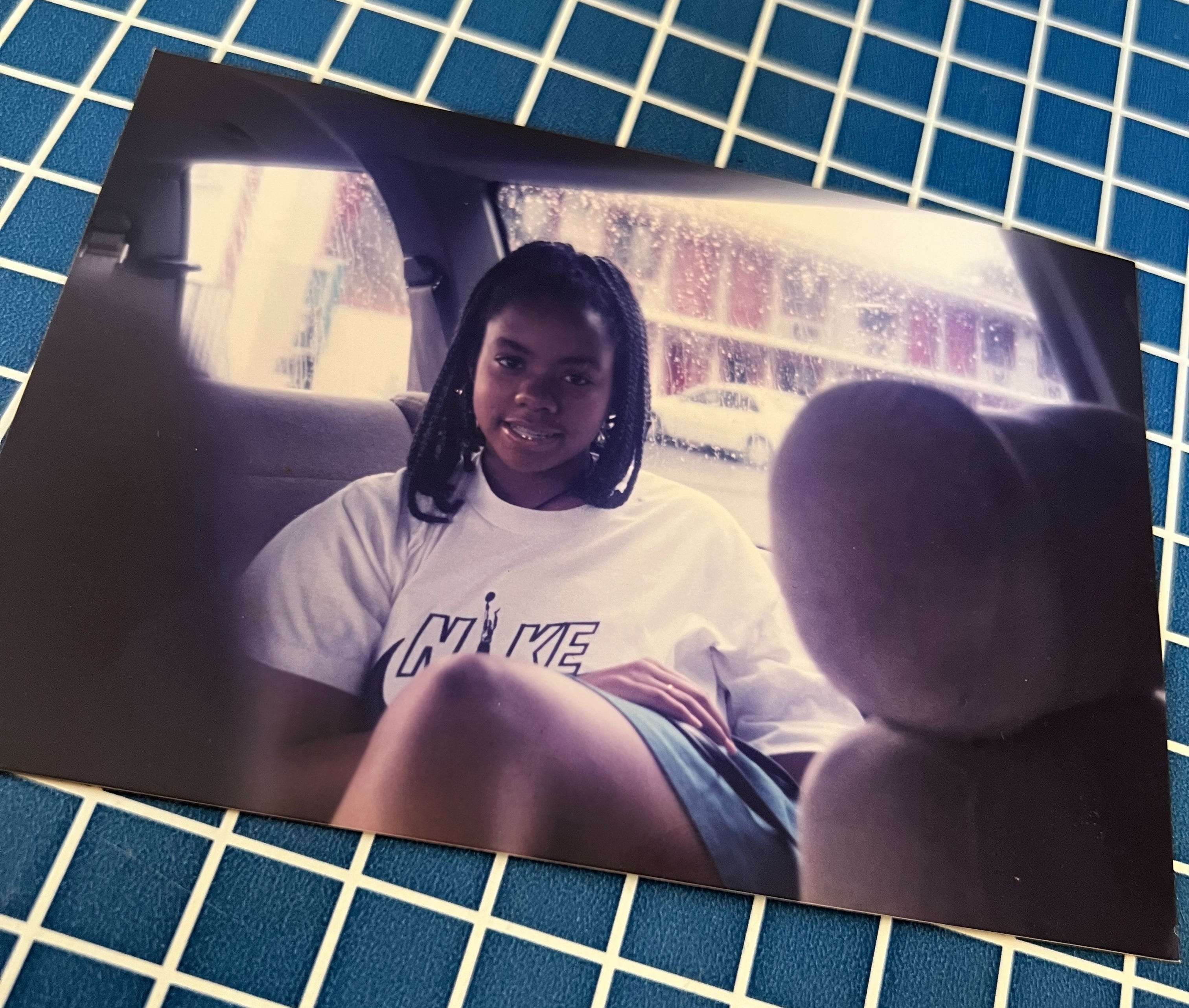
was i on the west side? where was i, for real? before i could find my bearings, place myself, i found myself separated from my friends. one minute i was sitting quietly, awkwardly on the beat-up white plastic chair in the driveway while my friends flirted and flitted around in the yard with the one other girl there and all the boys. they made it look easy. ranae and her boo dipped off in the house and got teased by everyone. i was drinking what i thought was just mountain dew. and then, i didn’t know what happened to time, to me.
when i look back just before that moment now, i hear my young self’s wisdom - my gut was saying get out of here, get sheekah and go home, this don’t feel good. but i told myself, i’m being a baby, i need to stop complaining, nothing is wrong with this, it is just different. you’re with three of your friends and are fine. i had already learned to silence that voice, to doubt my instincts, to prioritize not causing a fuss over staying safe.
(pause here if you need to. take a deep breath. you’re safe now.)
what followed was more than just violence - it was the shattering of trust on multiple levels. not only was my body violated, but in the aftermath, when i needed care most desperately, i encountered shame instead of protection:
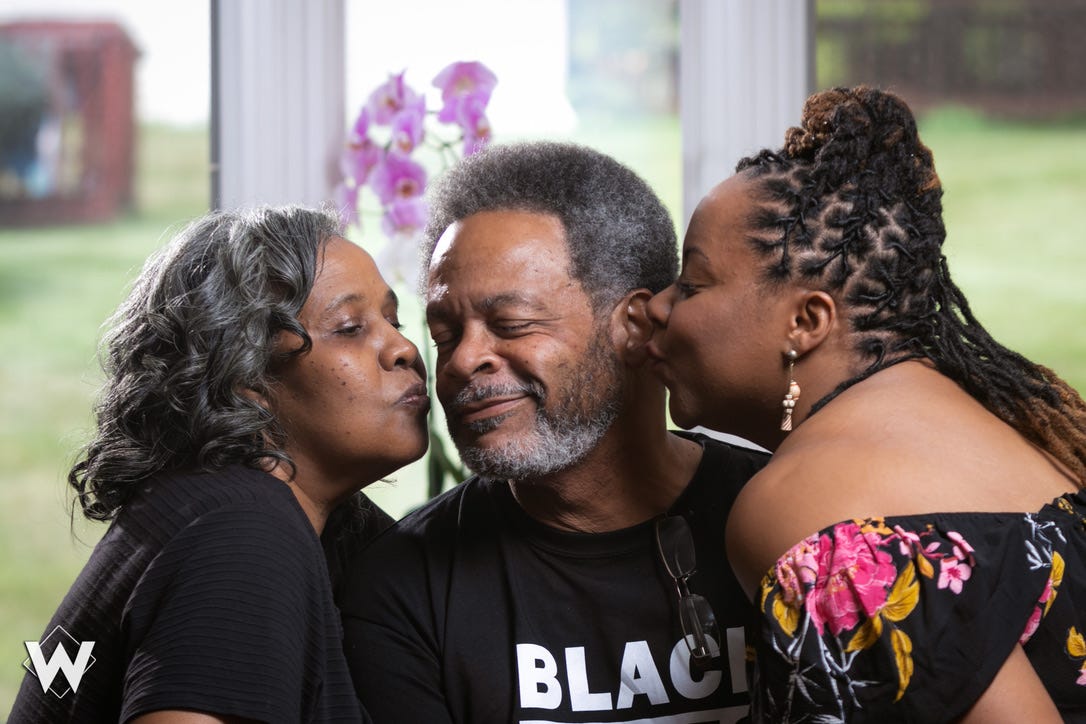
mom’s fearful, frantic face is now imprinted inside my eyelids, and i can never unsee her there like that. she was so damn scared. but it was evident in her fierceness. her guard. i had never seen her like that before. and i don’t remember dad’s reaction when we reunited that morning after, but he was there. why is it that i can’t remember my dad’s reaction that day?
the police had left but my parents kept asking what happened. i wish i had a better answer. i wish i had my memory. i wish i knew why i didn’t have my memory. they think i’m lying and don’t want to tell them. i don’t know what happened.
the aftermath taught me lessons that would take decades to unlearn:
i was devastated, small, isolated, scared, silenced. and while i couldn’t process the drugs i had been given or sexual trauma – my young body, mind, and spirit just couldn’t yet – i could process that reaction. i wore that shame. i felt disposed of. i felt stuck in my ability to speak to my experiences, to name them, to identify them, to identify how i felt about them. there was no space anywhere that i felt safe to dare try to remember or feel or share about my hurt or to heal my broken heart and body.
what emerged from that trauma was a pattern of protection through performance:
what happened in those years after being drugged and sexually assaulted was a hardening. it was the beginnings of “gogogadget della” as cousin shirl called me, a robot who can perform and has limited access to their own feelings.
(take another breath here, loves. check in with your body. maybe place a hand on your heart.)
these patterns - of silencing my instincts, of performing perfection, of not expecting support when in pain - shaped decades of my life. they influenced my relationships, my career choices, my approach to healing itself. but pain, when finally spoken, can create unexpected openings for grace.
last february, my parents visited me in durham. over dinner at my favorite local restaurant (little bull), stars beaming through the windows, i brought up that night from long ago. when i asked if they remembered, mom did immediately. dad’s memory was vaguer. as i shared the story i was writing in dr. lockhart’s course - the same story i just shared small pieces of with you - something beautiful happened. instead of shame or dismissal, they met me with open hearts. my mother, who once couldn’t hold my pain, now held me. my father, whose reaction i couldn’t remember from that day, was fully present now. they apologized. they listened. they even offered financial support so i could receive in-person care with my coach in merida, mexico related to that first and the many subsequent violations my body has endured.
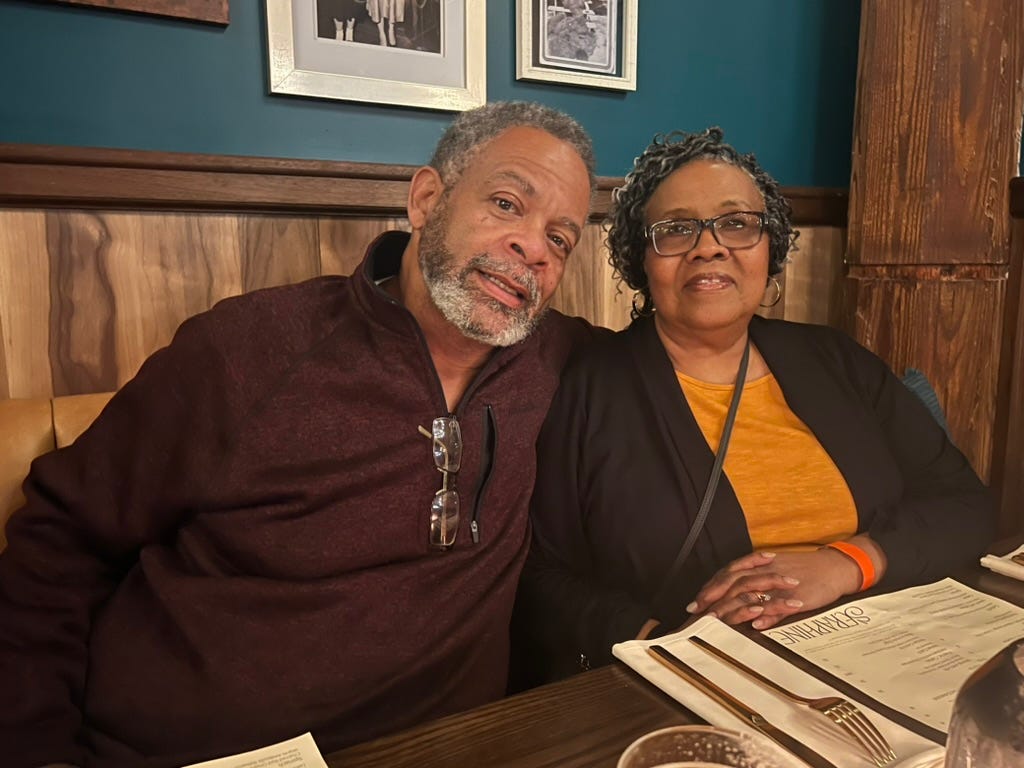
over the following months, something shifted within our family dynamic. my parents began to recognize how our patterns had reinforced my role as ‘the responsible one who always had everything under control.’ together, we began dismantling that facade, uncovering the human beneath the robotic performance. they took intentional steps to balance the field of care and support among siblings, creating space for me to be imperfect—to be late to my healing from sexual trauma, yet still very much in it—and to simply exist as their hurting daughter who needed them. their growth and willingness to show up differently sent ripples of change through our entire family.
in dr. lockhart’s course, surrounded by black femmes across generations, a prompt about autonomy and safety with a younger family member became my gateway to understanding these patterns. in that sacred space, i could finally name what happened to that 12-year-old girl. more importantly, i could name what she needed then and what i need now.
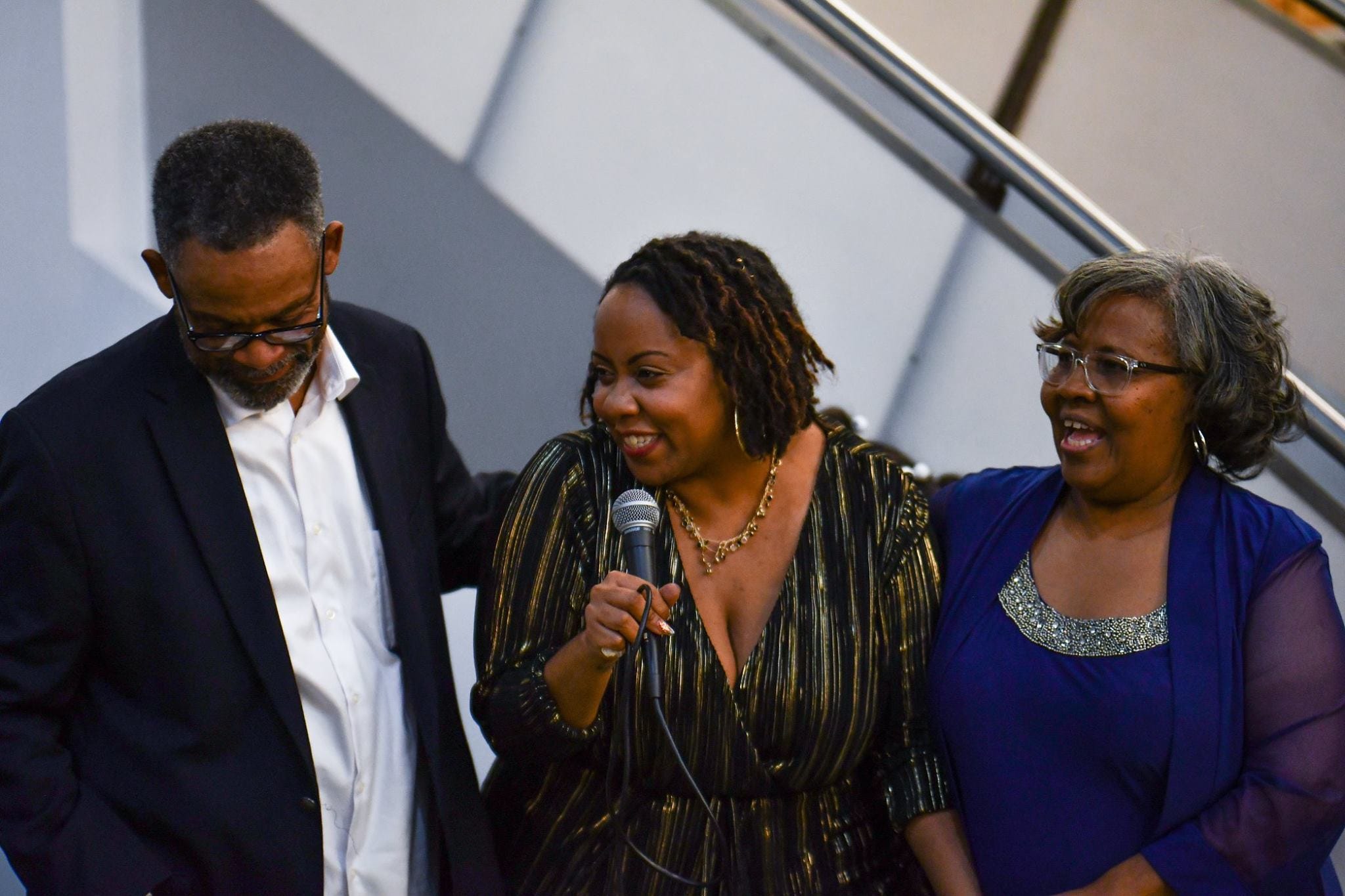
this past year has been about choosing a different path. about creating space to feel everything - the rage, the grief, the terror that my young self couldn’t process. about telling the truth to those who were there then and expressing what i needed both in the past and present. about learning that i deserve care and protection, even when i’m not perfect, even when i’m breaking down, even when i’m telling hard truths.
early in the course, i made a conscious choice to focus my memoir on sexual trauma and survival. it was terrifying - i knew that opening these doors would change everything. and it did. as i’ve shared with you here, insomnia came. body memories surfaced. ptsd symptoms collided with daily expectations. but this time, i had intentionally built the container i needed. i had chosen guides who could hold both my tenderness and my rage. i had created space to fall apart and come back together.
i’m still in this healing journey. i still need time. some days the ptsd symptoms feel overwhelming, the perfectionism creeps back in, the people-pleasing/pain-silencing whispers its familiar songs. but i’m choosing to share these stories as i go, processing with just enough delay to hold both my privacy and my truth. i share in hopes that it might support others walking similar paths - my fellow survivors, grown black gworls, queer and poly folk, those battling ptsd symptoms, recovering perfectionist people pleasers. we deserve to take the time we need.
what i’m learning - still learning, every day - is that true healing can’t be rushed or bypassed. each realization, each layer of understanding, each moment of courage to speak truth needs its own time to unfold. the gift of taking the longer path is that it allows us to heal not just the initial wound, but all the adaptive patterns that grew from it.
as we continue growing together in this space, i’ll share more stories, more resources, more gentle practices for healing. we’re creating something beautiful here - a garden where we can all bloom at our own pace.
a moment of softness: take a breath here. notice what has stirred in your own body as you’ve read this story. perhaps you’re carrying similar wounds, similar adaptive patterns. perhaps you’re also in the middle of your own healing journey. whisper to yourself: “i deserve to take the time i need. my healing doesn’t need to look perfect or follow anyone else's timeline.”
if the longer path of healing feels impossible right now, that’s okay. let’s start where you are:
today: take three intentional breaths while waiting for your coffee or tea to brew, or maybe while you’re waiting at a red light.
this week: choose one daily task - brushing teeth, washing dishes, sipping water - and pair it with a gentle reminder: “i am worthy of care.”
this month: block out five minutes before bed for quiet reflection, even if you just sit and breathe.
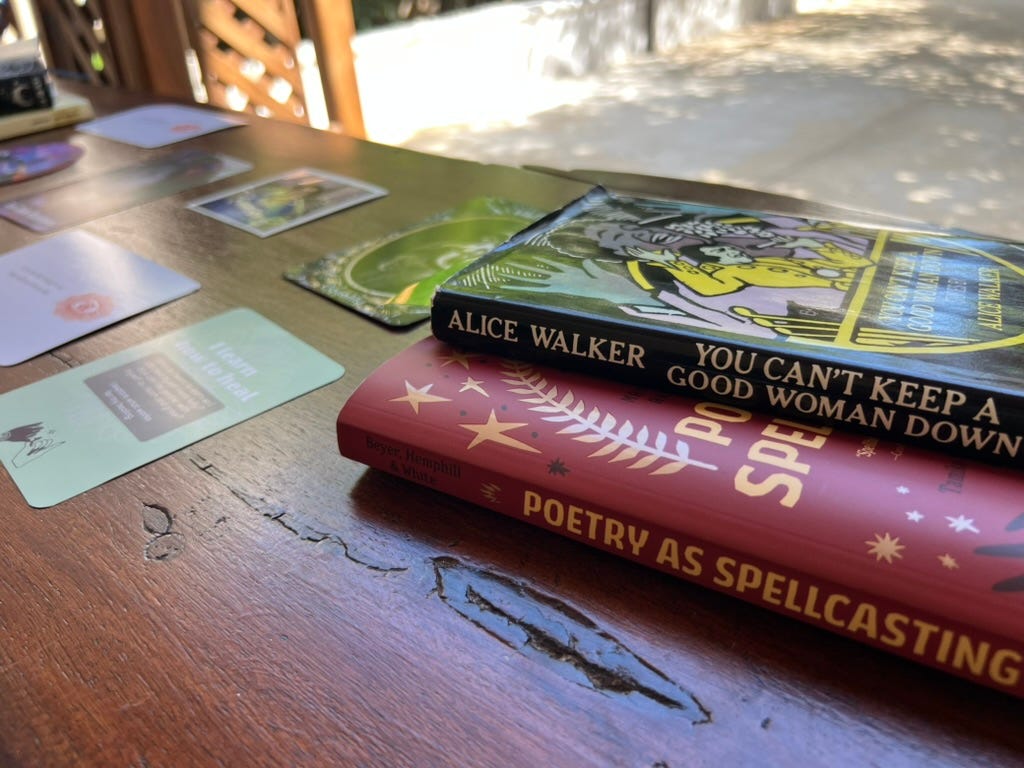
remember, we build our capacity for deeper healing one small moment at a time. each intentional breath, each kind word to yourself, each minute of quiet creates foundation for what’s to come.
with so much softness and love, della
gentle reminder: drink some water, move your body, or rest - whatever you need after receiving this story. take care of your tender heart.